Timor-Leste Culture and Heritage
Read about the country’s history and the customs to consider when visiting.
Read article
Discover what to eat in Timor-Leste, from batar da’an and grilled fish to tukir and highland coffee. Plan Dili market visits, meals and tour stops.
For a first taste of Timor-Leste, ask for batar da’an, a dish of corn, beans and pumpkin, or ikan sabuko, fish served with tamarind and herbs. If you see katupa, try the rice parcels alongside the meal. Ask for ai-manas on the side if you want to taste the chilli a little at a time. What a kitchen can serve depends on the ingredients and preparation that day. Timor-Leste Tourism’s food guide
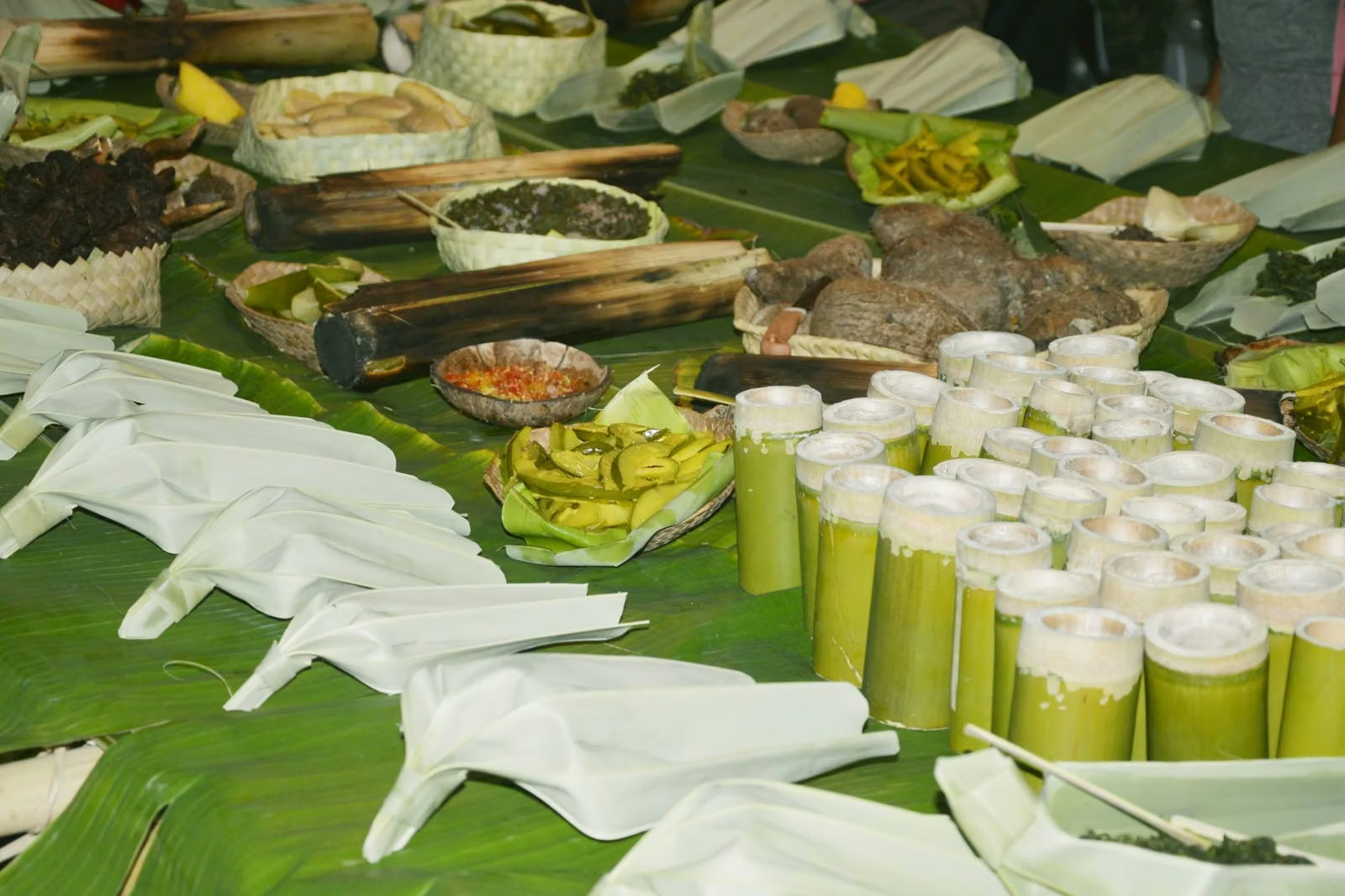
Rice is a staple food in Timor-Leste, often forming the base of a meal alongside vegetables and other accompaniments. Corn is another important staple; what arrives on the plate varies between households and restaurants. Timor-Leste Tourism’s food guide
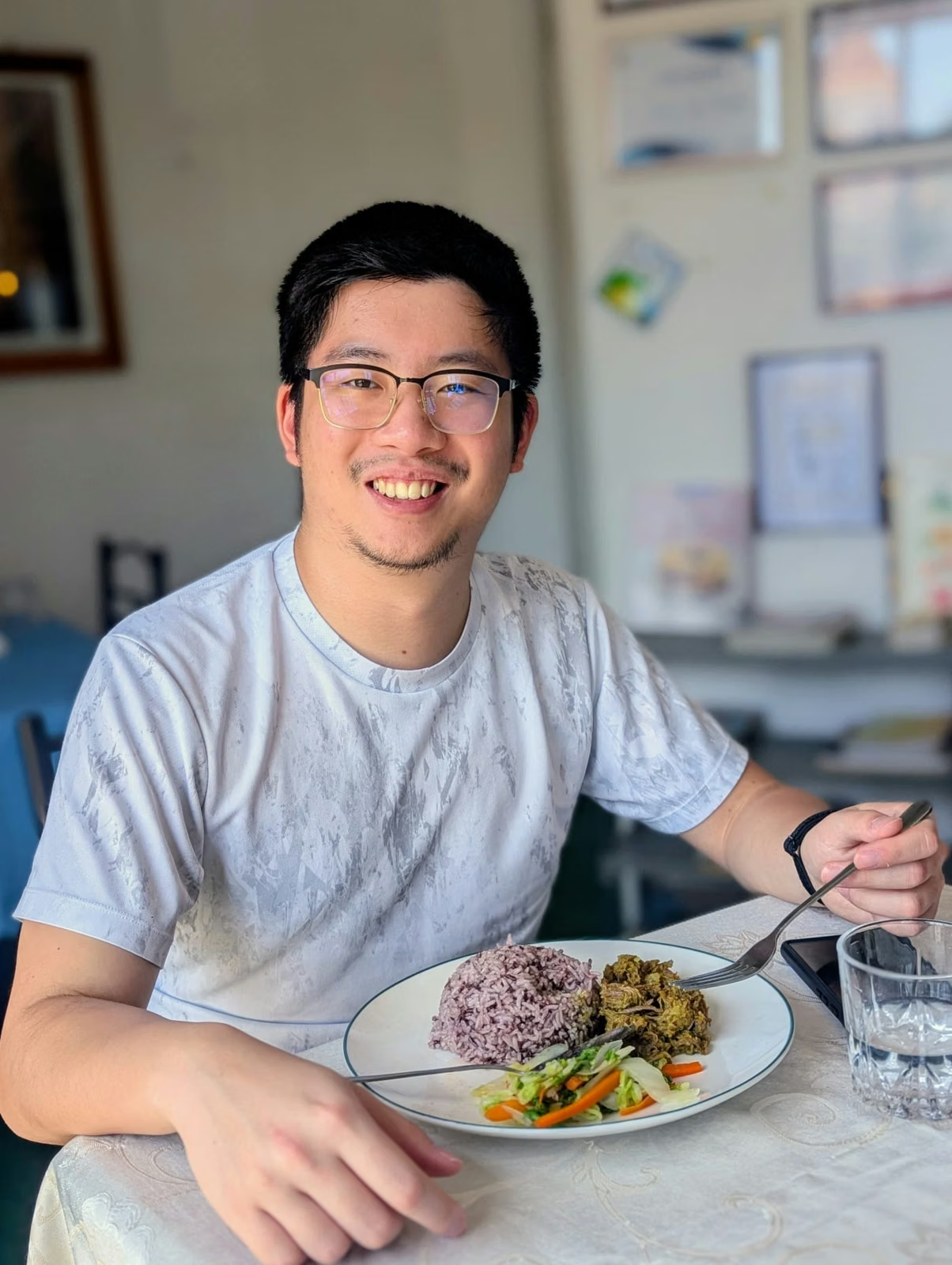
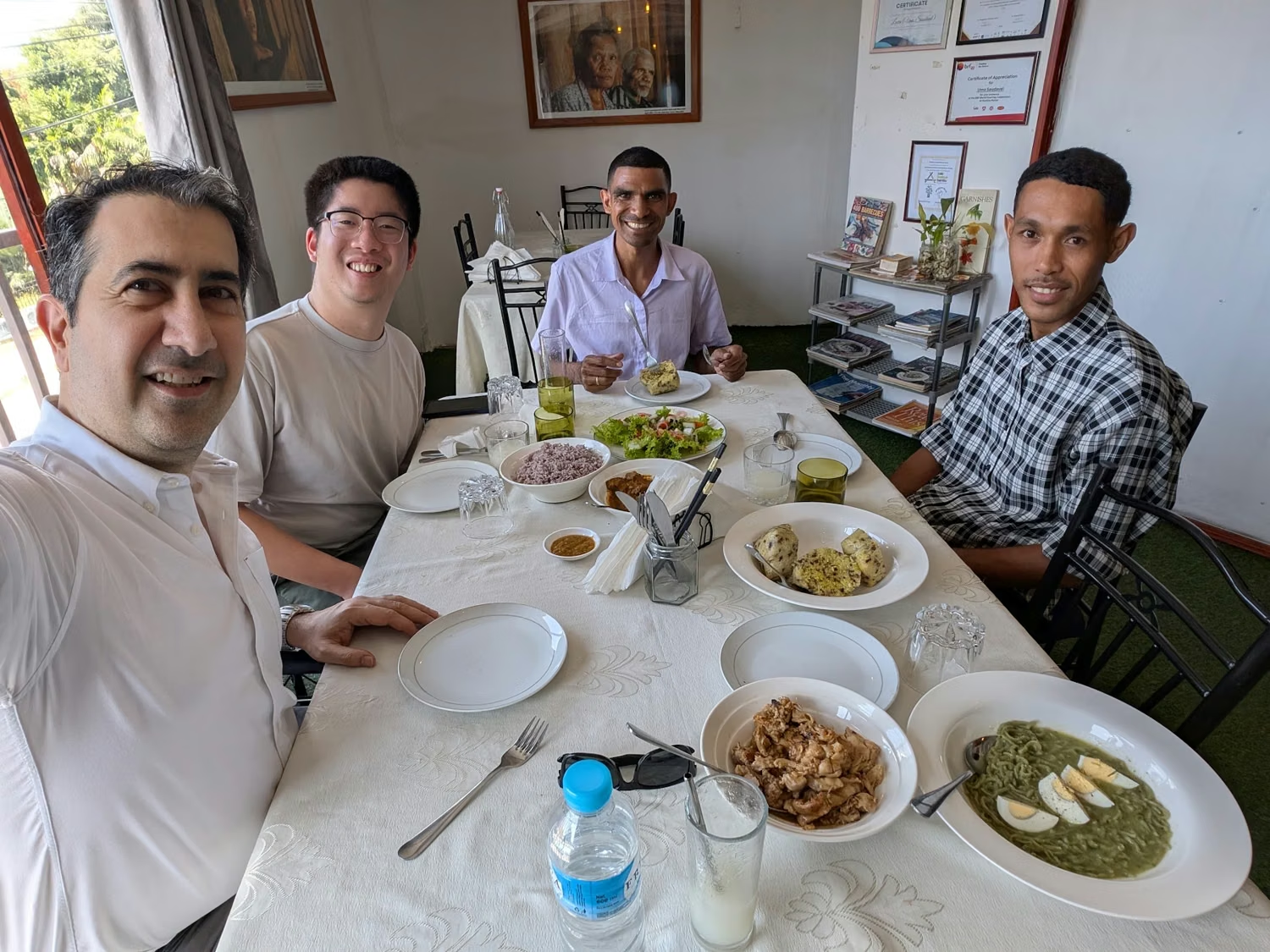
During the Travel Timor-Leste team’s 2025 visit, a familiar everyday meal was purple-tinged rice with spinach or other leafy greens, sometimes with an egg added. Ryan Lee, our head of marketing, is pictured enjoying a rice-and-vegetable meal at a restaurant during that trip. The purple colour describes the rice the team ate; it does not mean all rice served in Timor-Leste is purple.
Before ordering a simple rice meal, ask:
Batar da’an is a useful place to start if you want to taste local staples together. Corn and beans give the dish its substance, while pumpkin adds sweetness. You may see the spelling batar da’un. If you are ordering a meal, ask whether it comes as a dish on its own or as an accompaniment. For a vegetarian order, ask what went into the pot as well as what you can see on the plate. Official food and drink guide

Ikan sabuko, also written ikan saboko, is a fish preparation. The national tourism guide describes grilled fish with tamarind and basil. Visit Southeast Asia describes a version using mackerel, lime, garlic, chilli and herbs. Those descriptions give you a better question for the cook than asking for a single “correct” recipe: which fish are you cooking today, and how is it seasoned? Timor-Leste Tourism · Visit Southeast Asia’s local food guide

Katupa is a rice parcel associated with celebrations. Ask whether any are available that day and what the host usually serves with them. Timor-Leste Tourism
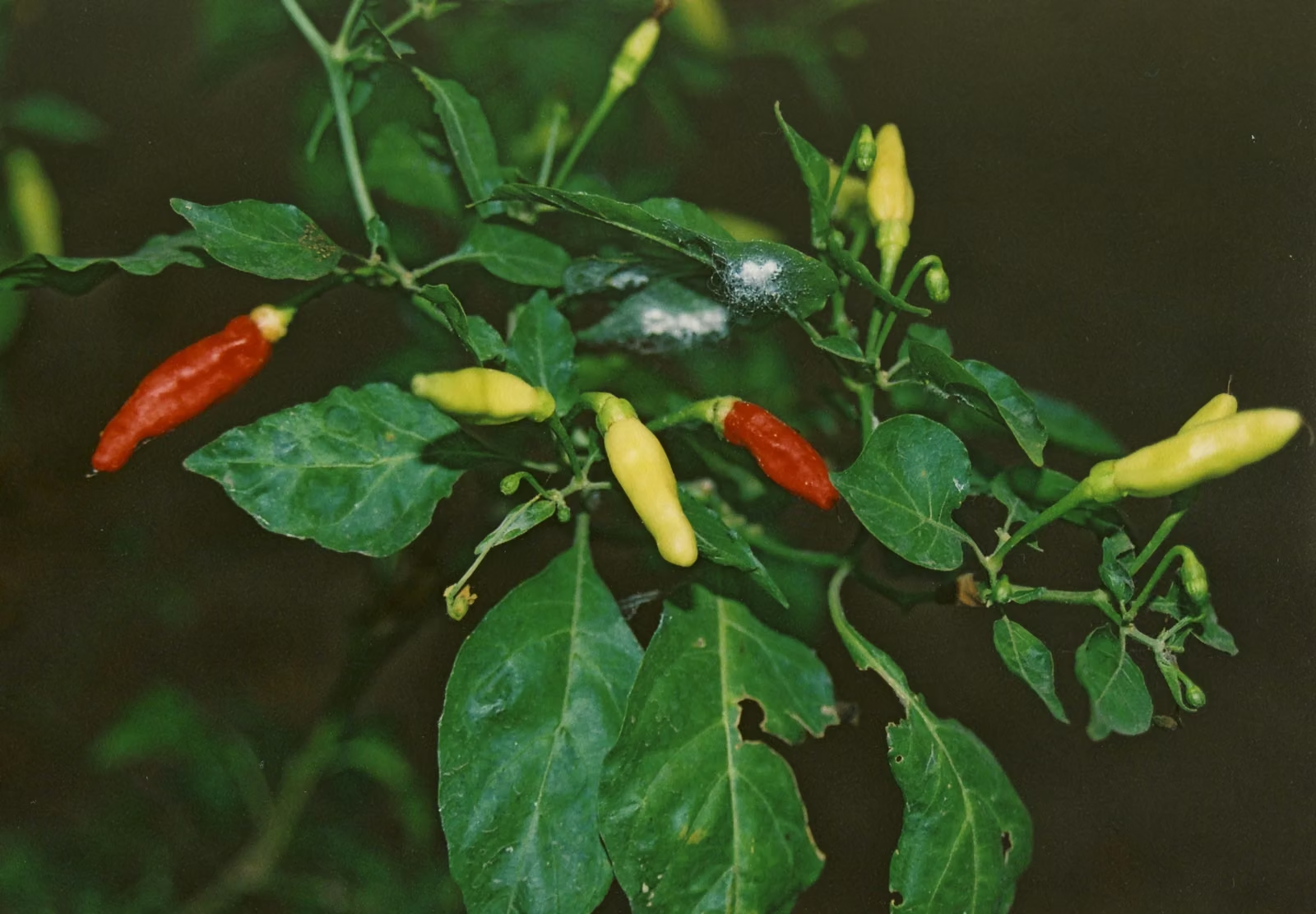
Ai-manas is a hot chilli condiment. Try a small amount with rice or fish before adding more. Pacific Tourism Organisation · See the prepared relish in SHARE’s photo diary.
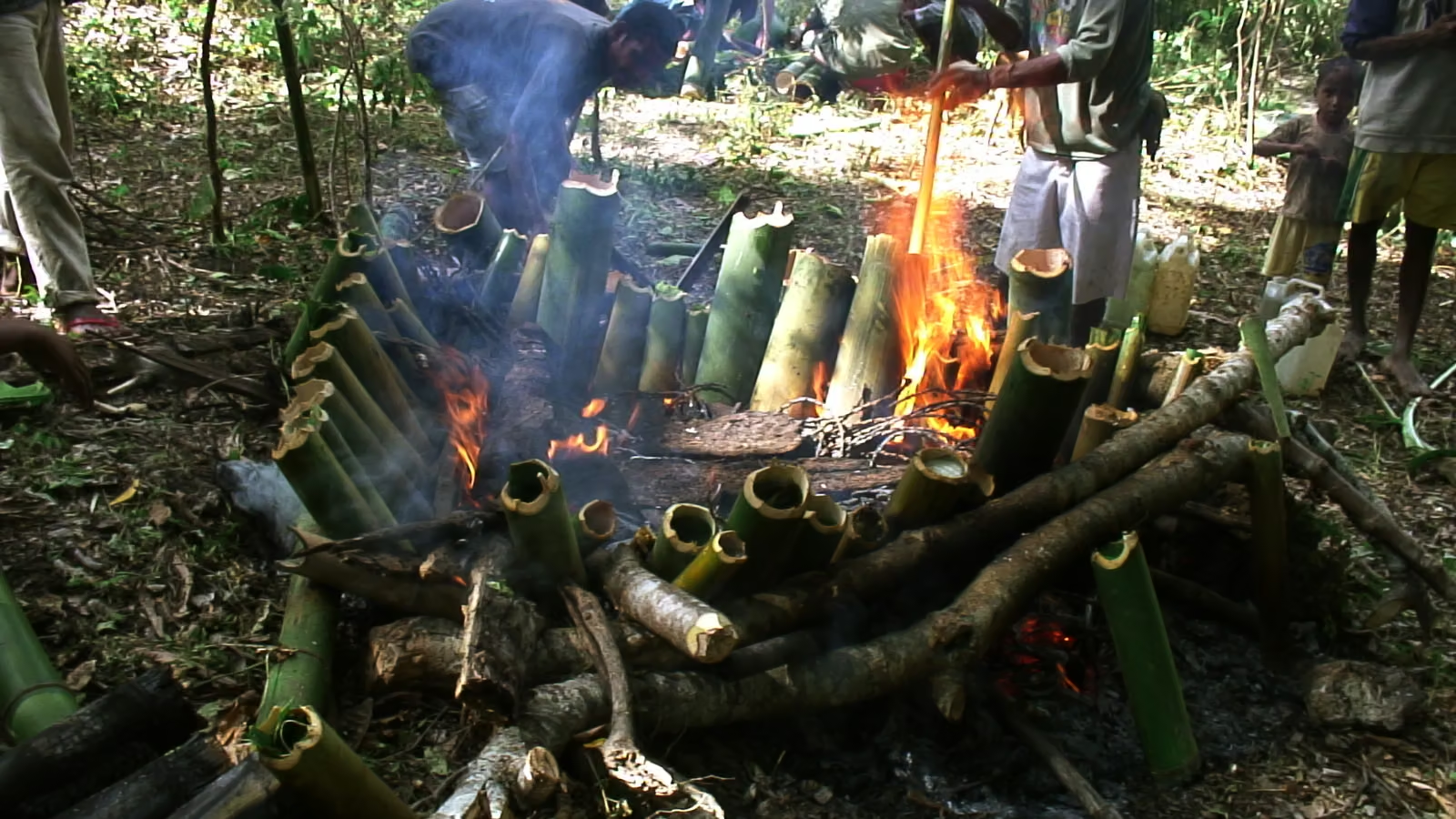
Tukir is worth arranging in advance if it is the dish you most want to try. The term describes cooking ingredients inside bamboo over a fire. Visit Southeast Asia gives meat as one example and describes tukir as a preparation associated with ceremonies and advance orders. Ask your host what they cook in the bamboo, when they need the order and how many people a serving feeds. Visit Southeast Asia’s tukir guide
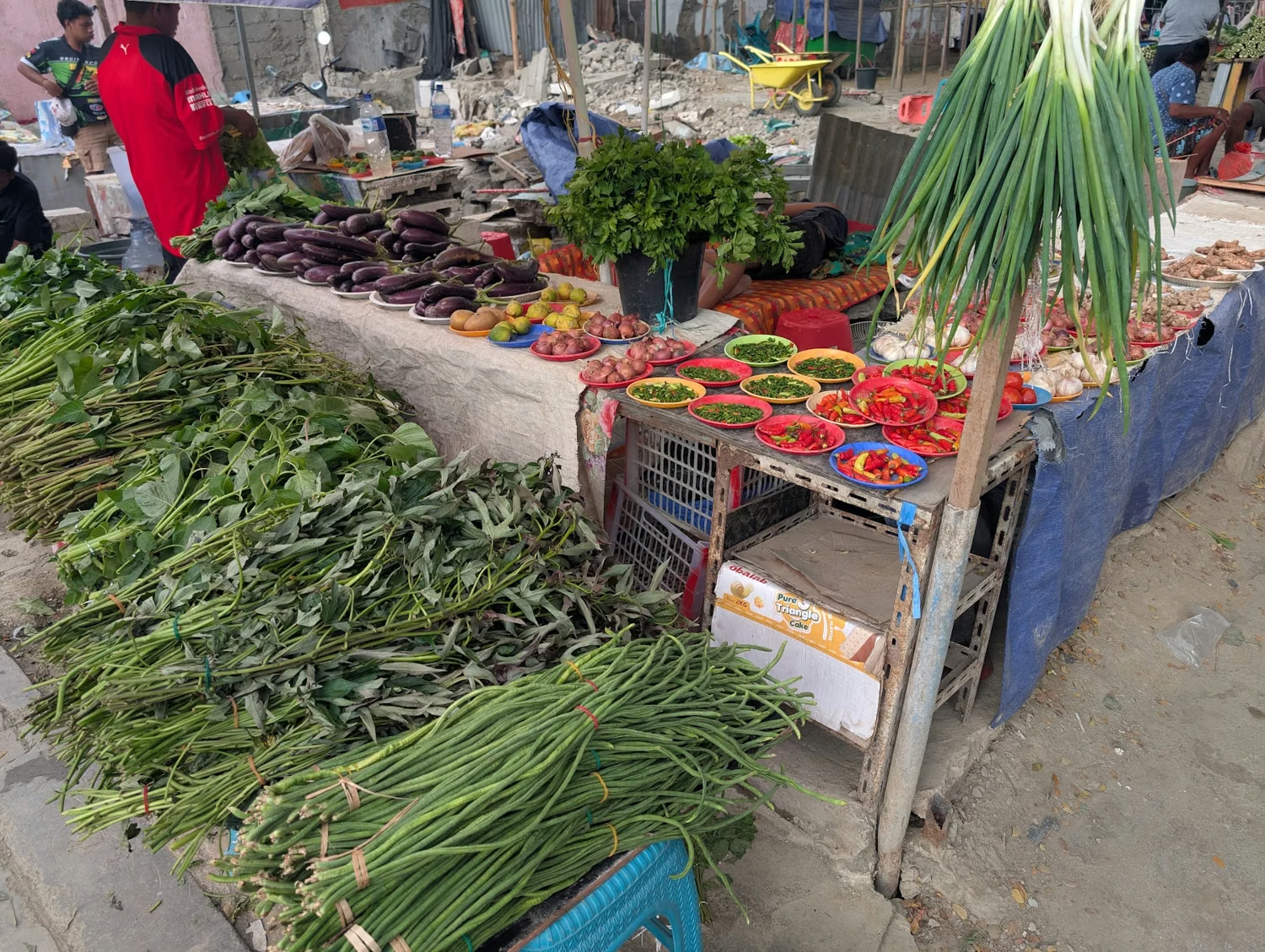
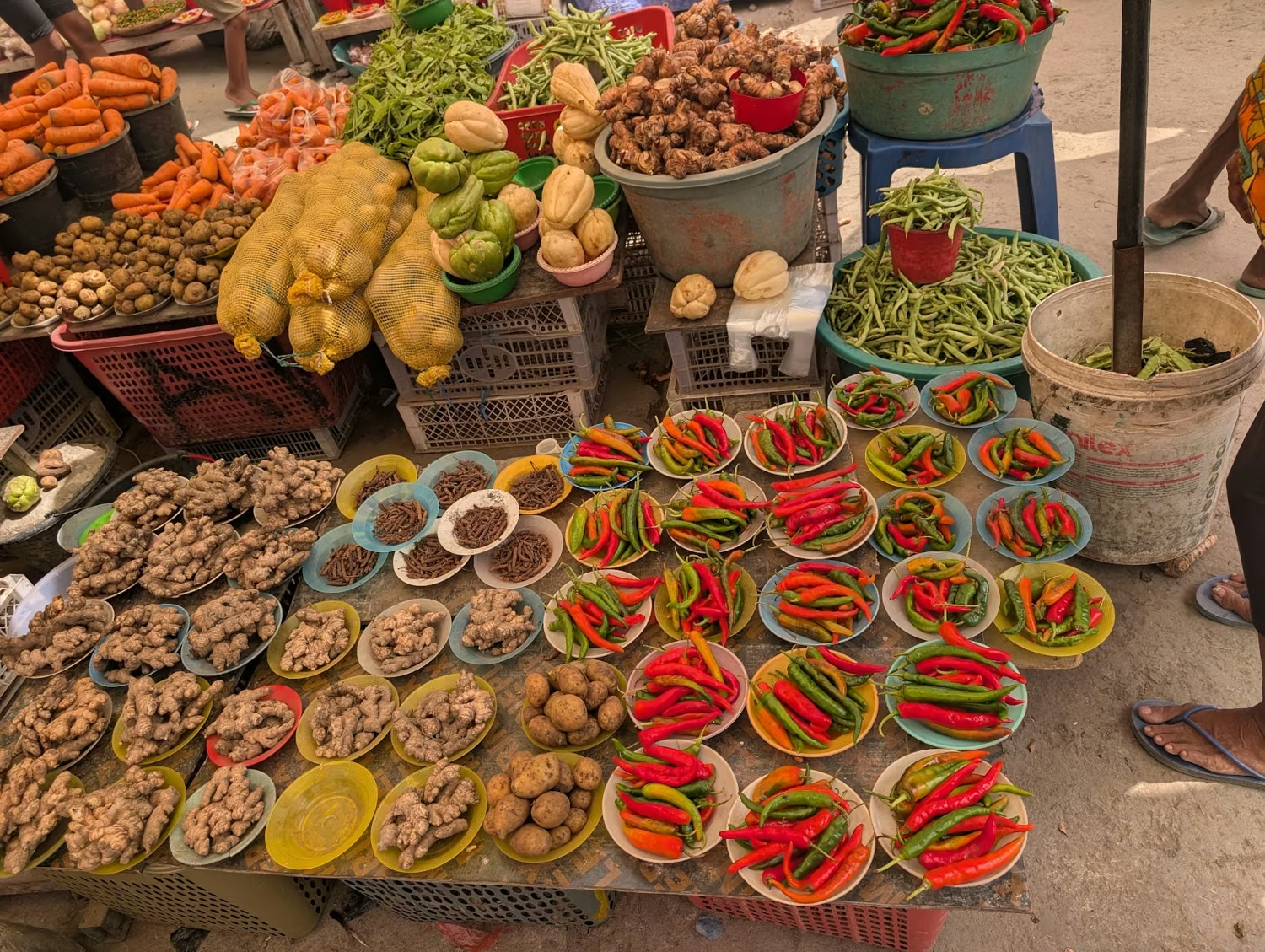
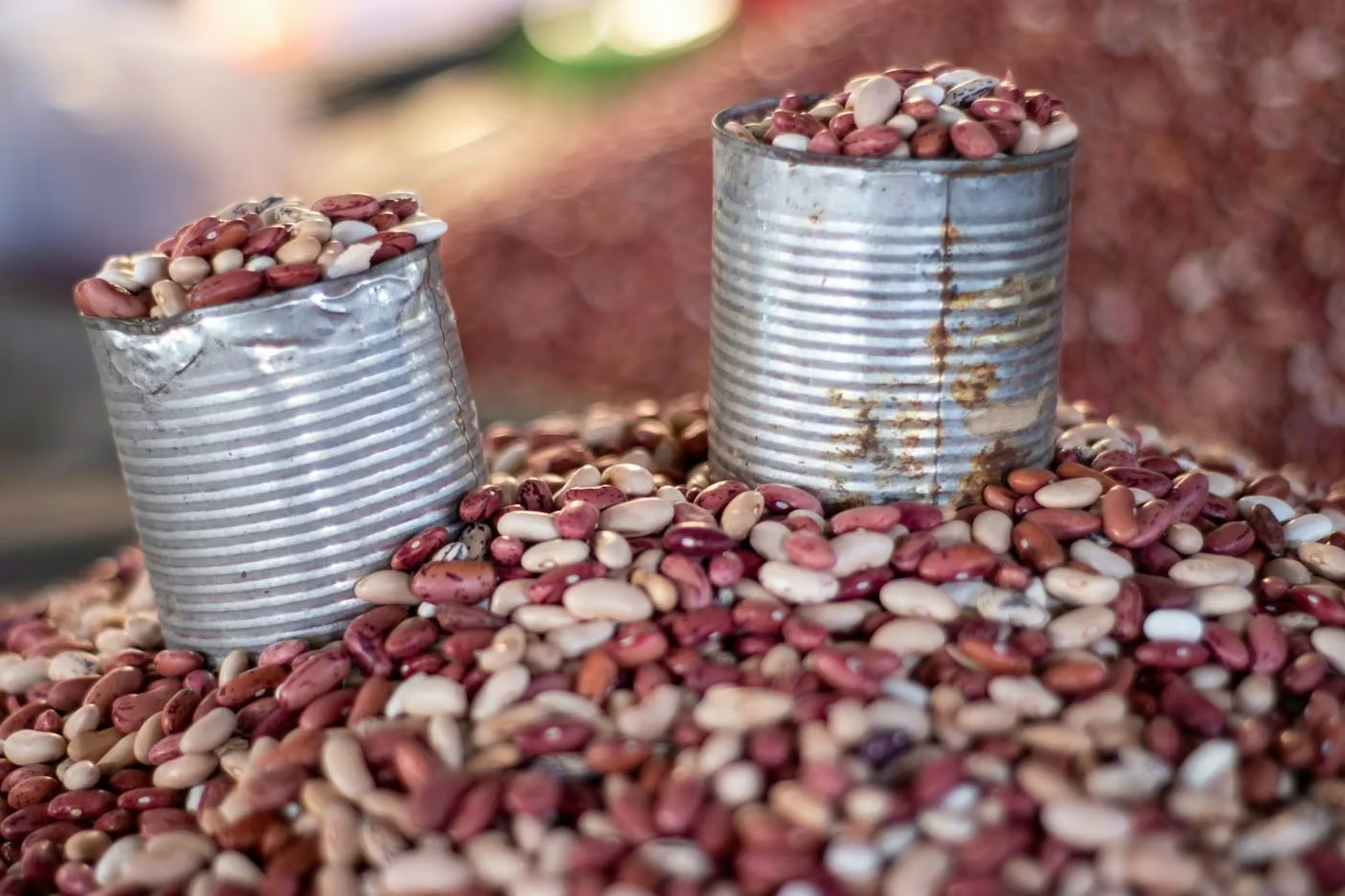
For ingredients, start at a produce market. Taibesi Market in Dili gives you a chance to see beans, vegetables and other ingredients before they reach a kitchen. The official market directory also lists Manleuana and Comoro in Dili, as well as markets in Aileu and Maubisse. Dili’s Tais Market is better known for woven textiles. Tell your guide whether you are interested in ingredients, a prepared meal or weaving so they can take you to the right place. Official market directory
For lunch, ask what is ready. At a small eatery, a useful first question is “What have you cooked today?” Follow up with “Does the price include rice?” If you are choosing seafood, establish whether the price is for a portion or the whole fish and whether your group will share it. That small conversation makes it easier to order enough and gives the cook room to recommend something seasonal.
For a village or island meal, contact the host before setting out:
The tourism directory is a starting point for finding places to eat. Contact the provider for that day’s arrangements. Find places to eat
Choose a route, then ask the operator which meals, markets or coffee stops can be arranged for your dates.
Compare Timor-Leste tours side by side to review routes, durations, published prices and inclusions before choosing your trip.
Compare current toursCoffee offers a connection between a cup in Dili and farms inland. Timor-Leste Tourism describes smallholders in Ermera and Aileu growing arabica under shade trees and picking cherries by hand. The country is also associated with Híbrido de Timor, a natural arabica–robusta hybrid. A barista may be able to tell you the growing area, who roasted the beans or how the coffee was processed. Ask about the particular cup rather than assuming all Timorese coffee tastes the same. Official coffee culture guide
If you intend to visit a grower, ask what will actually be happening on your dates. Picking, processing, drying, roasting and brewing are different activities. “Will we meet a producer or stop at a café?” is a useful booking question. It helps you choose the experience you want and gives your host a chance to explain what is possible that day.
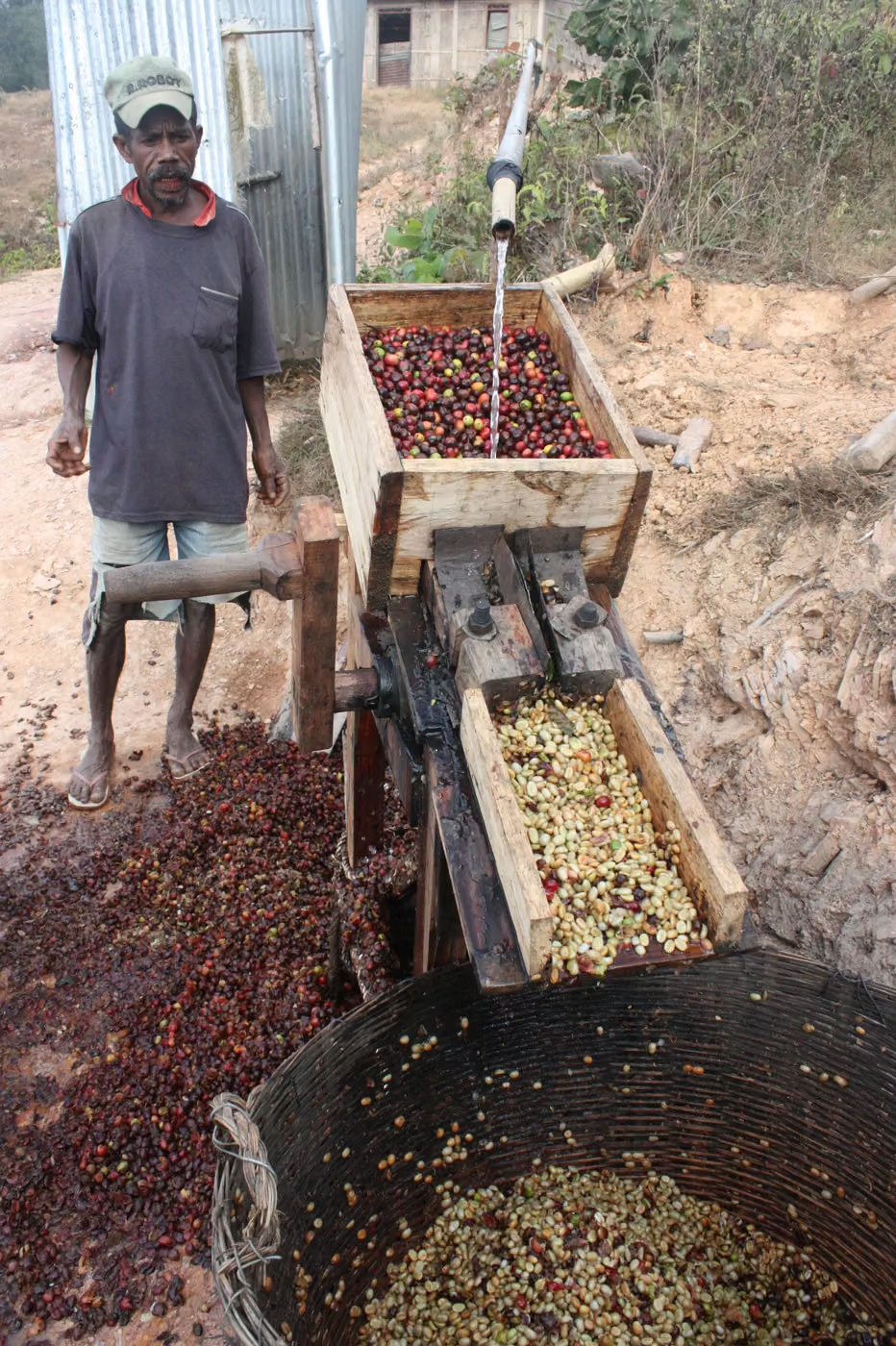
Use the published itinerary as the start of the conversation. For example, the Aileu and Maubisse trip travels into the highlands. If coffee is the reason you are choosing it, ask for the name of the stop, what the visit involves and whether tasting or lunch is included in your quote. Give the operator your group size and dietary needs before booking. Aileu and Maubisse itinerary
A Dili sightseeing day offers another option: ask for time at a produce market and an eatery between your main stops. For an Atauro visit, coordinate the meal with your host and return boat. In each case, decide what matters most, whether meeting a cook, tasting a particular dish or simply eating well during the journey. Then choose the itinerary that gives you time for it. Compare Timor-Leste activities
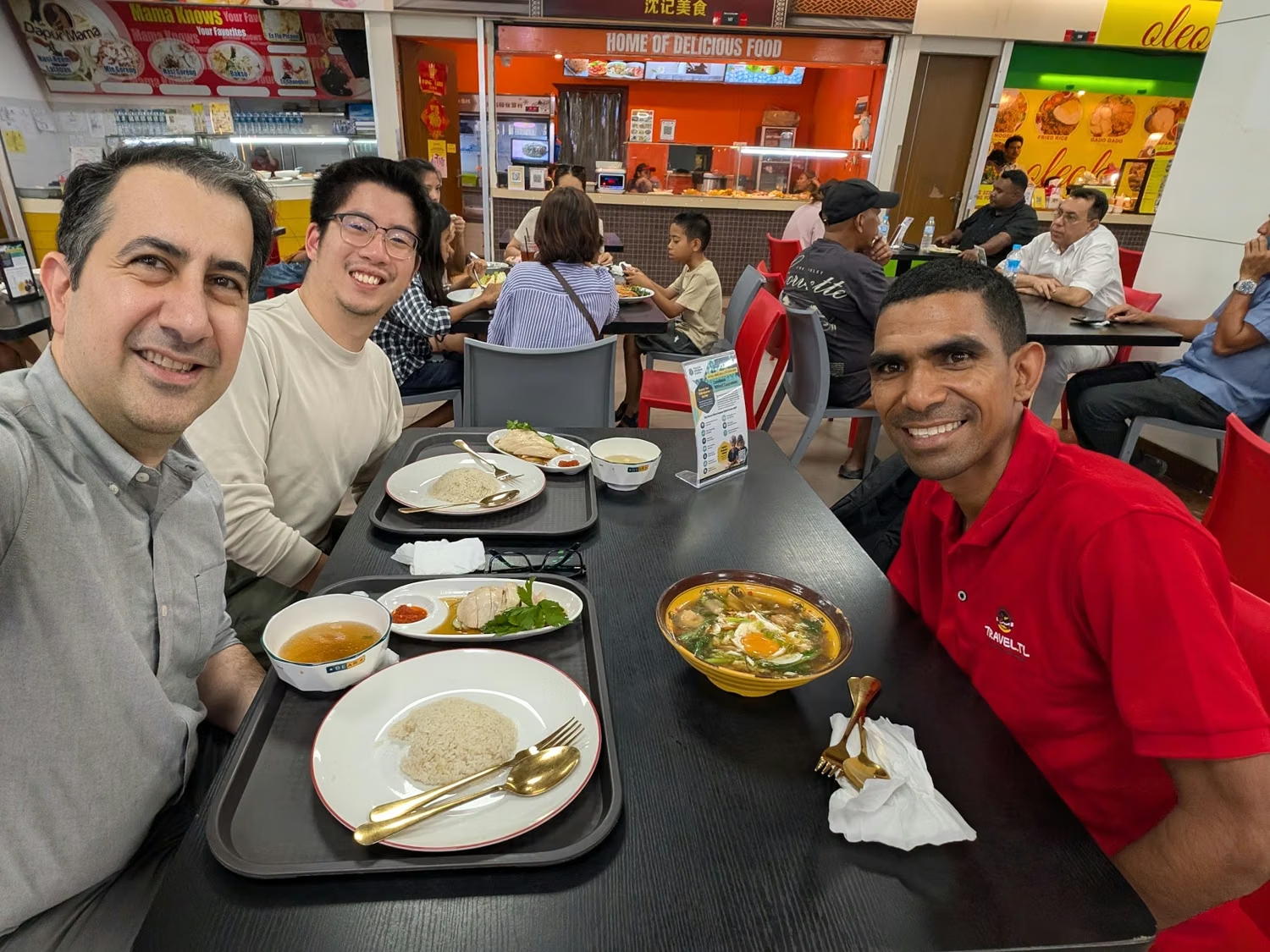
Mr Hosseni, Ryan and Alberto tried local food during their trip to Timor-Leste. These photographs from the team’s album show two ways they ate out, choosing individual plates at one stop and sharing dishes at another.
It is a Timorese dish made with corn, beans and pumpkin. Preparation and accompaniments can vary, so ask the cook what is in that day’s version.
Ai-manas is a hot chilli condiment. Ask for it on the side and try a little with your meal before adding more.
Taibesi is a produce market listed by the national tourism directory. Ask locally about the best time to visit and where you can find a prepared meal nearby.
It is sensible to ask ahead. Tukir involves cooking food in bamboo over fire, and some hosts prepare it for an occasion or by arrangement.
Only if the host or operator confirms one. Ask whether the itinerary includes a café, a producer visit or a tasting and whether any charge is included.