Timor-Leste has a deep cultural heritage. This page covers Timor-Leste’s history, culture, and the dos and don’ts, respecting local customs, dress codes, and the importance of showing respect to elders and traditional leaders.
In this guide
How can visitors show respect for Timor-Leste culture?
- IntroductionsAsk your guide how to greet the host before a village visit.
- PhotographyAsk before photographing a person, ceremony or someone’s work.
- Places of worshipCheck dress and access expectations before entering.
Which events shaped Timor-Leste’s history?
Timor-Leste, also known as East Timor, has a remarkable history marked by resilience and a strong sense of identity.
Early History: The island of Timor was settled by various Austronesian peoples thousands of years ago. It was influenced by both the Malay and Portuguese cultures, with Portugal colonising the region in the 16th century, making it a Portuguese overseas territory.
Portuguese Era: Under Portuguese rule, Timor-Leste experienced a relatively peaceful period compared to other colonies. Although there were challenges, the region retained its cultural distinctiveness, and the people preserved their languages, traditions, and practices.
Timor-Leste’s Independence Movement: In the 20th century, there was a growing desire for independence. After Portugal’s 1974 Carnation Revolution, which led to the withdrawal of Portuguese colonial forces, Timor-Leste declared independence in 1975.
Indonesian Occupation of East Timor: Shortly after declaring independence, Timor-Leste was invaded by Indonesia, leading to a brutal occupation from 1975 until 1999. During this period, the Timorese people endured severe hardship, but their desire for independence remained strong.
Independence of Timor-Leste: In 1999, following a UN-sponsored referendum, the people of Timor-Leste overwhelmingly voted for independence. Despite violent resistance by pro-Indonesian militias, the country eventually became independent in 2002.
Modern Day: Timor-Leste, after years of rebuilding and development, is now a young and thriving democracy. Its political stability, commitment to national unity, and growth in sectors like oil and gas have made it a symbol of resilience and hope in the region.
The history of Timor-Leste is a story of perseverance, and its successful journey from colonialism to independence stands as a testament to the strength and determination of its people.
Find a cultural journey that interests you
Compare tour routes and ask your operator about local introductions, cultural stops and visitor expectations.
Compare Timor-Leste tours side by side to review routes, durations, published prices and inclusions before choosing your trip.
Compare current toursWhich Timorese customs should visitors know?
Greetings & Respect
Timor-Leste has a respectful and community-oriented culture, with special attention paid to elders, family, and authority figures. Common greetings include a handshake or a nod, with a slight bow of the head, especially in more traditional settings.
Modesty in Dress
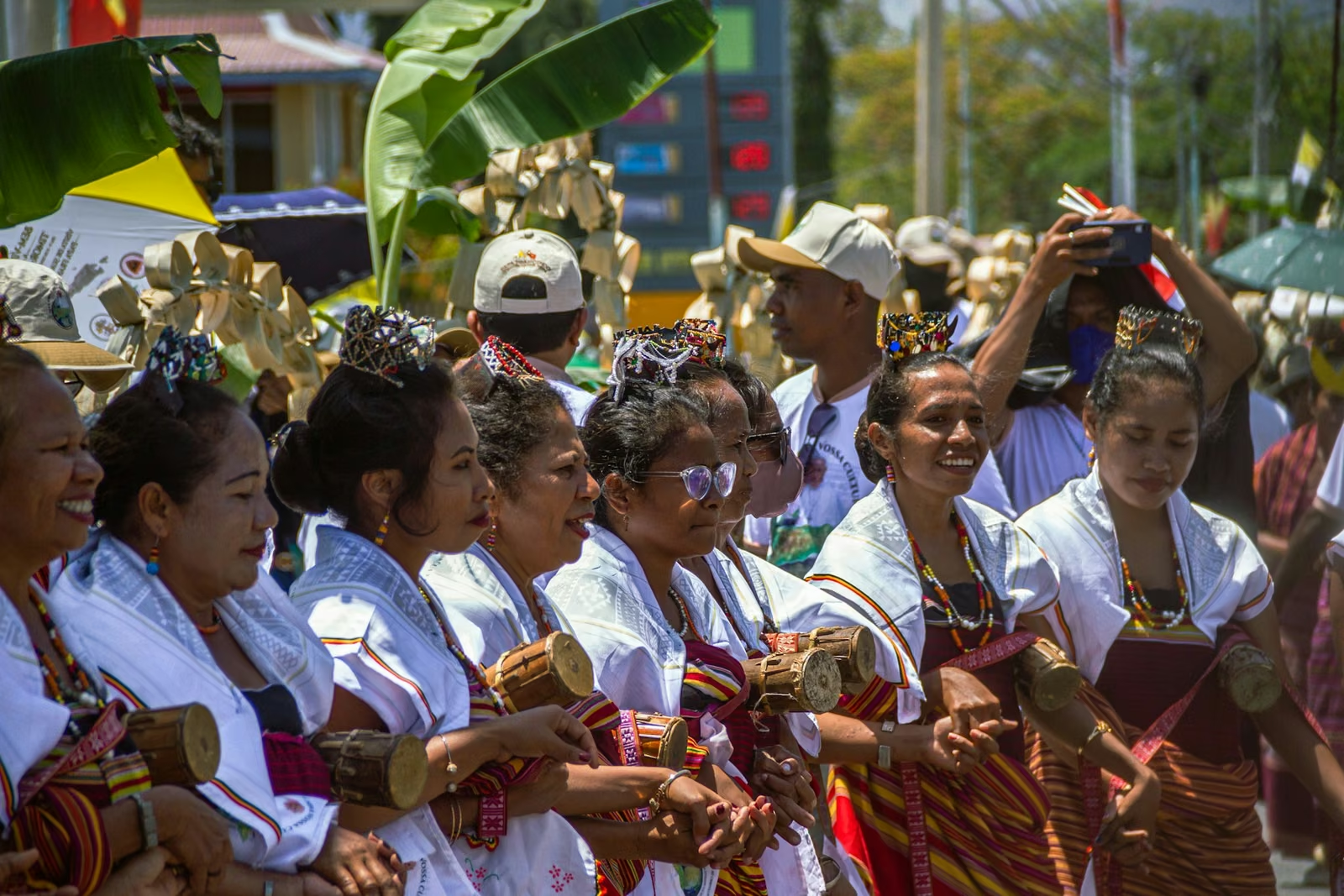
While Timor-Leste is generally relaxed about dress, it is important to dress modestly, especially when visiting villages, religious sites, or official institutions. Avoid revealing clothing, particularly in rural areas.
Personal Space
Timorese culture values personal connections, but be aware of physical boundaries. Physical touch with the opposite sex may be restricted in some areas. Public displays of affection are uncommon.
Photography Etiquette
Always ask for permission before taking pictures of people, particularly in rural or culturally sensitive areas. In some cases, photography may be prohibited, especially at religious sites or during ceremonies.
Religious and cultural sites
You need permission to visit some places that have special religious or cultural importance.
Check with local authorities before you visit.
Check local reactions to your presence and activities and adjust accordingly.
Local laws
- Don’t use or carry illegal drugs. There are serious penalties for drug offences.
- Don’t interfere in local political processes or take part in political activity. If you do, you may face fines, detention, or deportation.
- Timor-Leste doesn’t recognise de facto or same-sex relationships. Social and cultural attitudes towards same-sex relationships are conservative. Avoid public displays of affection.
- Dress and behaviour standards are conservative. Don’t wear revealing clothing in public places, churches, or markets. Public displays of affection aren’t socially acceptable. Loud noise and foolish behaviour on religious days are offensive.
- Some Australian criminal laws still apply when you’re overseas. If you break these laws, you may face prosecution in Australia.
More information:
Frequently asked questions about Timor-Leste culture
Can visitors take photographs during cultural visits in Timor-Leste?
Ask the people involved and follow the host’s instructions, especially at ceremonies and places of worship.
What should I ask before visiting a Timorese village?
Ask how to greet your host, what to wear and whether an introduction or local guide is expected.