
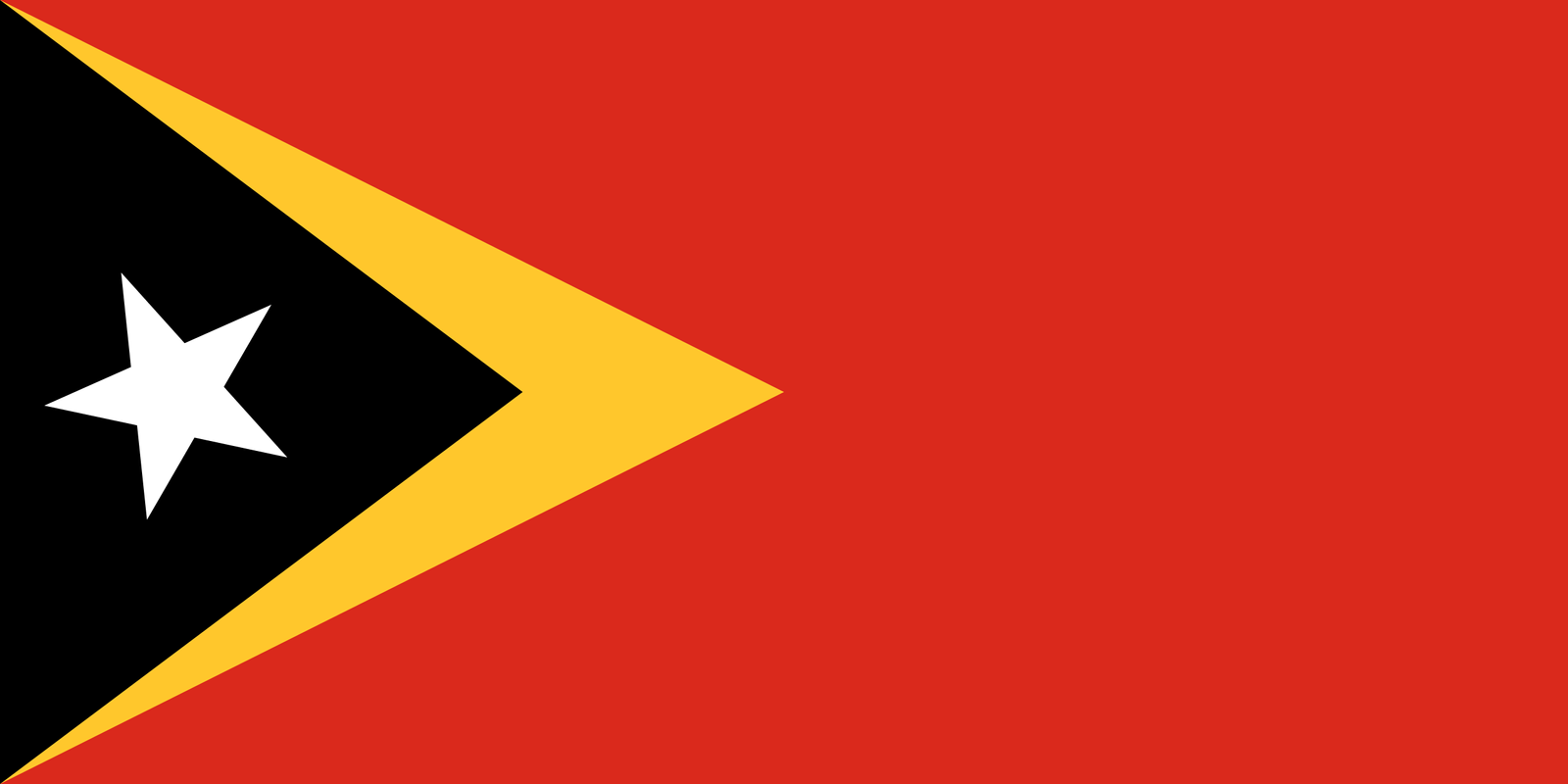
- Timor Leste’s national flag features a red field with overlapping yellow and triangles on the left.
- A white five-pointed star is centred within the black triangle.
- Red signifies the struggle for independence; yellow represents colonial history.
- Black symbolises the challenges overcome; the white star is for peace and hope.
- The flag was adopted on May 20, 2002, upon independence, based on the Fretilin flag.
Timor Leste’s national flag includes a red field with two overlapping isosceles triangles on the hoist (left) side. A bigger, yellow triangle extends to the centre of the flag, while a smaller, black triangle with a white five-pointed star in the centre is overlaid on it.
Timor Leste Flag Colours and Meanings:
The red field represents the blood poured throughout the struggle for national independence.
The yellow triangle symbolises the traces of Timor Leste’s subjection, particularly the Portuguese colonial past.
The black triangle represents the difficulties and hurdles in becoming an independent country that Timor Leste had to overcome.
The white star represents peace and serves as the country’s guiding light of hope.
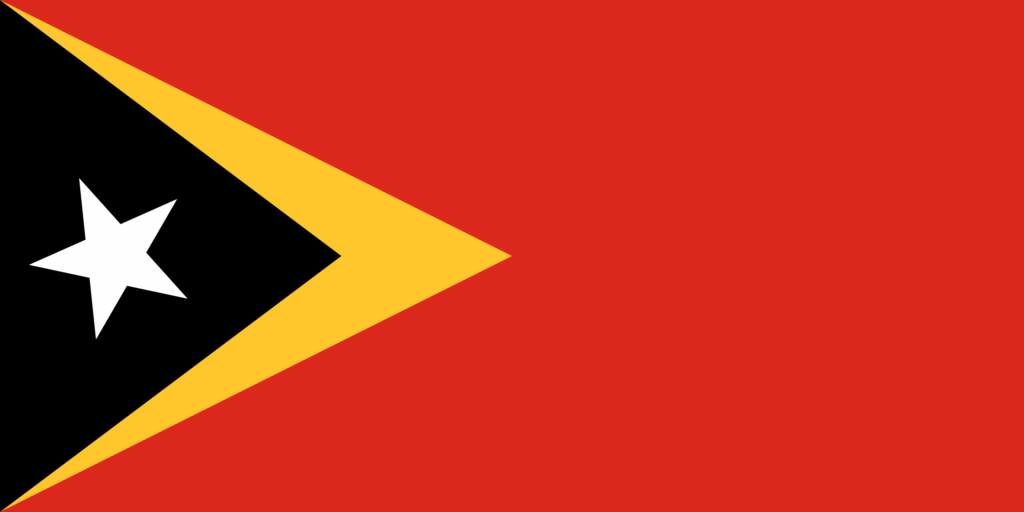
Timor Leste Flag Adoption in 2002
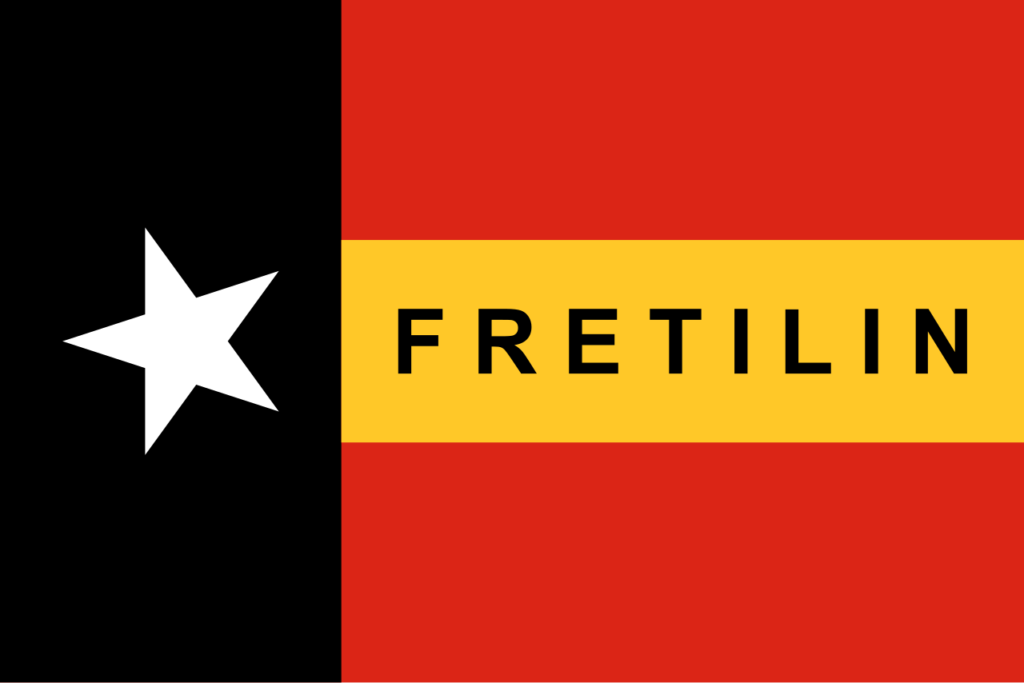
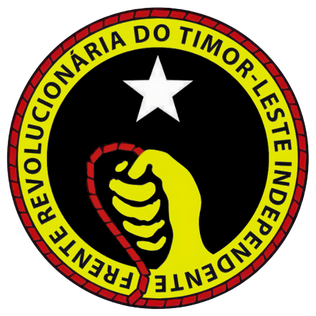
The flag was adopted on May 20, 2002, when Timor Leste achieved independence. It is based on the flag of “Fretilin” (Revolutionary Front for Independent East Timor), a major force behind the independence movement.
Timor Leste Flag Meaning and Respect
Recently, politicians have criticised the increasing number of people writing on the flag during events and signing it. In the view of the politicians, such behaviour is a “crime” against which the police should take action. The flag, which had been bought “with bones and blood”, was thereby desecrated.